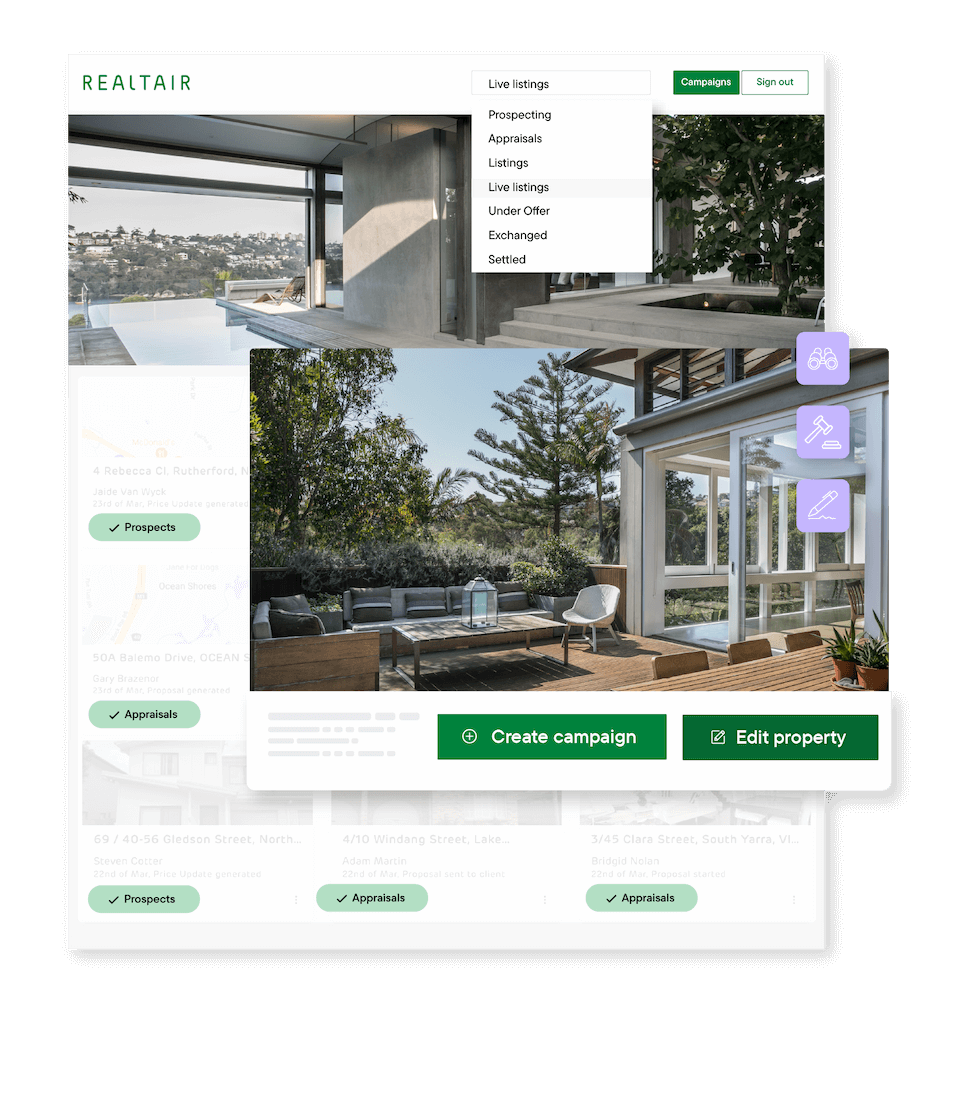
Qwilr is a software platform that helps revenue teams around the world create interactive sales documents that close more deals quickly.
By replacing static PDFs with web-based proposals, quotes and sales collateral, it gives richer buyer experiences and clearer insights into buyer intent.
Before reaching out to us, Qwilr had already built a strong presence on LinkedIn, with sponsored content getting consistently high engagement. But they needed to translate that attention into measurable pipeline and revenue impact.
This is where the Atlas Digital approach proved invaluable. We combined our expertise with Qwilr’s to design and scale a LinkedIn thought leadership strategy that significantly influenced pipeline and sales-qualified leads.
When we first partnered with Qwilr, their LinkedIn activity had been performing well by conventional engagement metrics. It was generating likes, comments and shares, especially through creative formats like memes and broad sales humour.
But despite this high engagement, the team was struggling to see a correlation between the surface level content performance and acquisition/revenue outcomes.
To drive measurable growth, we worked with Qwilr to create a LinkedIn thought leadership strategy focused on credibility, relevance and attribution.
In other words, instead of chasing engagement for its own sake, we were looking to build in incremental pipeline influence and direct sales outcomes.
To get things started, we launched a full funnel thought leadership programme in LinkedIn, designed to spark conversation and reinforce Qwilr’s value within modern sales workflows.
Existing organic social content was curated to find the messages that best spoke to users in different stages of buying consideration. We also recommended new content to address gaps and support the journey all the way through to purchase, without sacrificing engagement.
After seeing early signs of success, we moved to scale and reallocate budget towards thought leadership campaigns, making them a core pillar of Qwilr’s paid LinkedIn activity.
The impact of the strategy was measured using Fibbler to track incremental pipeline influence and revenue contribution, and Hubspot to report on directly attributable LinkedIn SQLs.
This meant we were able to move beyond surface-level metrics and optimise based on outcomes that Qwilr actually cares about.
When we compared the seven months after implementing the strategy with the previous seven months, we found that the shift from engagement-first to influence-led thought leadership was delivering clear, measurable gains.
The strategy quickly made thought leadership one of Qwilr’s most commercially impactful social strategies, not just a brand-building exercise.
Before Atlas: Qwilr was gaining attention but lacked a clear framework to connect thought leadership with commercial impact.
After Atlas: Qwilr Head of Growth Marketing Brendan Connaughton says that since partnering with us, LinkedIn has evolved into one of the company’s core growth channels, “consistently contributing meaningful pipeline, while giving us visibility into its impact”.


The success of the project came down to these core factors.
Qwilr’s content is still just as engaging, but now it’s intentionally grounded in real sales challenges and buying signals. This bridges the gap between brand and revenue, with the company using insights from its Sales, Support and Success teams to inform the messages it puts out to market.
Early performance signals were validated quickly, allowing for decisive budget reallocation towards the highest-impact campaigns.
Qwilr can now be confident that LinkedIn isn’t just driving noise, but driving growth, thanks to clear reporting on pipeline influence and SQL creation.
Let's talk about how an influence-led LinkedIn strategy can drive real revenue impact for your business.